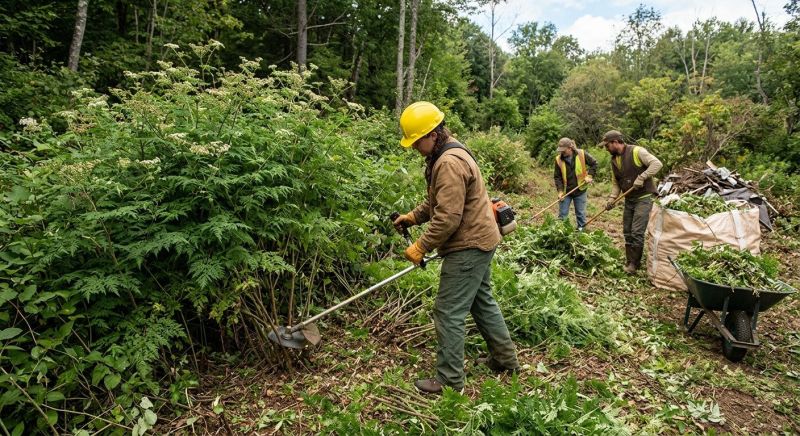
Hemlock Removal in Philadelphia, PA
Hemlock removal services focus on safely and effectively removing mature or hazardous hemlock trees from residential properties. This type of project typically involves assessing the health and stability of the tree, then carefully cutting and removing it to prevent damage to surrounding landscape, structures, or utility lines. Homeowners often request this service when a hemlock tree becomes diseased, poses a safety risk, or is interfering with property development or landscaping plans.
Before requesting hemlock removal, property owners usually want to understand the scope of work involved, including the potential impact on their landscape and any necessary cleanup afterward. It’s also helpful to consider the reasons for removal, such as disease, storm damage, or overgrowth, to determine if removal is the best solution. Clear communication about the size of the tree, its location, and any specific concerns can help ensure the process aligns with property management goals.
Many property owners in Philadelphia, PA look into Hemlock Removal for repairs, replacements, upgrades, and appearance-related improvements.
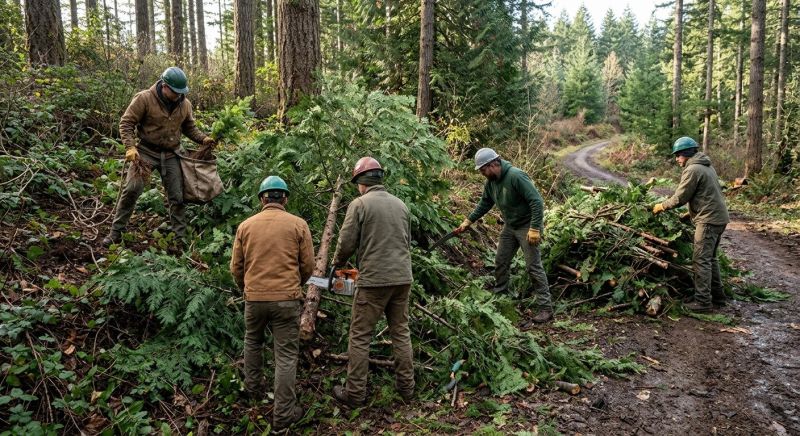
Reasons For Hemlock Removal
Removing damaged or overgrown hemlocks can improve safety and aesthetics on residential properties.
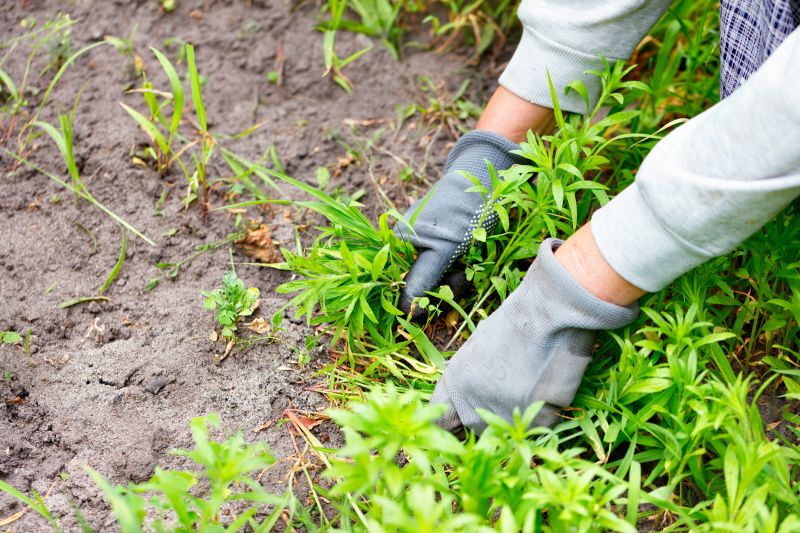
Removal Techniques
Professional hemlock removal involves careful cutting and disposal to protect surrounding landscape and structures.
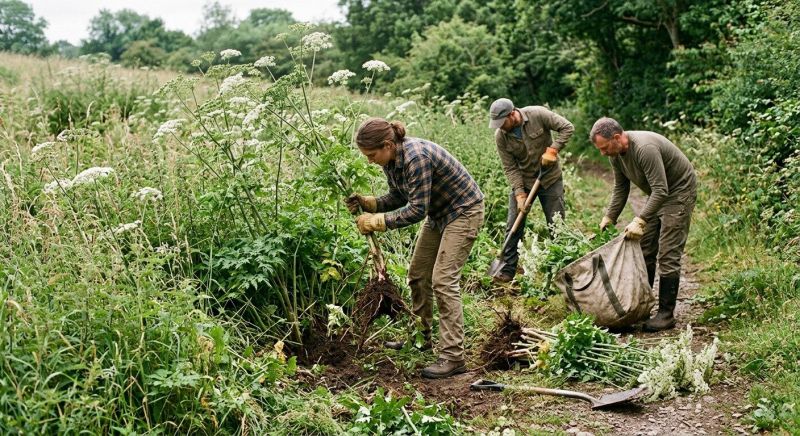
Post-Removal Care
Proper site cleanup and possible replacement planting help maintain the health and appearance of the landscape after removal.
Hemlock Removal in Philadelphia, PA

Hemlock removal services focus on safely and effectively removing mature or hazardous hemlock trees from residential properties. This type of project typically involves assessing the health and stability of the tree, then carefully cutting and removing it to prevent damage to surrounding landscape, structures, or utility lines. Homeowners often request this service when a hemlock tree becomes diseased, poses a safety risk, or is interfering with property development or landscaping plans.
Before requesting hemlock removal, property owners usually want to understand the scope of work involved, including the potential impact on their landscape and any necessary cleanup afterward. It’s also helpful to consider the reasons for removal, such as disease, storm damage, or overgrowth, to determine if removal is the best solution. Clear communication about the size of the tree, its location, and any specific concerns can help ensure the process aligns with property management goals.
Many property owners in Philadelphia, PA look into Hemlock Removal for repairs, replacements, upgrades, and appearance-related improvements.
Common Hemlock Removal Jobs
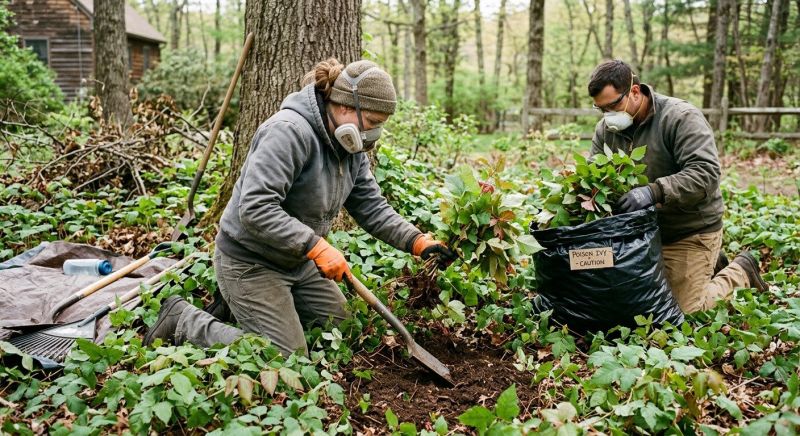
Hemlock removal involves safely extracting these invasive trees to protect surrounding vegetation.
Tree clearing helps improve property aesthetics and reduces hazards from overgrown hemlocks.
Stump grinding removes remaining roots to prevent regrowth and maintain a tidy landscape.
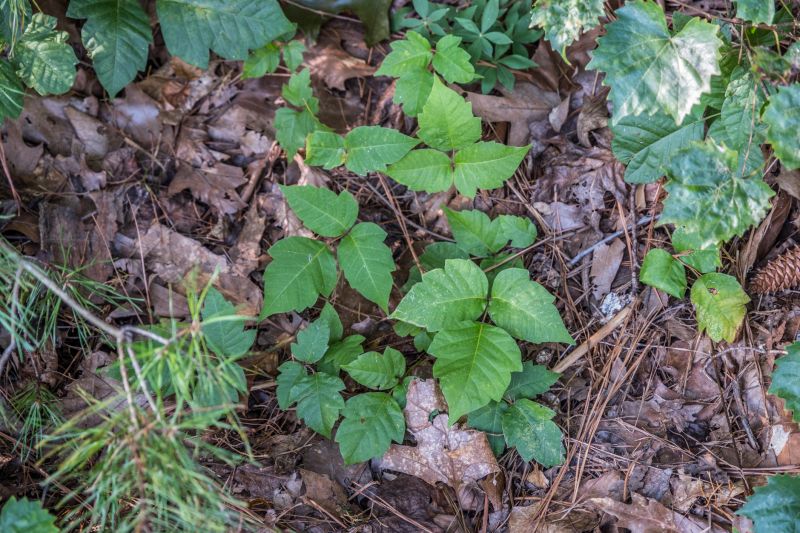
Invasive species control targets hemlocks that threaten native plant health and biodiversity.
Property cleanup includes debris removal after tree removal to restore yard usability.
Land clearing prepares sites for landscaping, construction, or new plantings free of invasive trees.

Hemlock Removal Questions
Why remove a Hemlock tree? Removing a Hemlock can prevent disease spread, reduce safety hazards, or improve landscape aesthetics.
Is Hemlock removal harmful to the surrounding landscape? Proper removal methods minimize impact on nearby plants and structures, ensuring a safe and clean process.
When is the best time for Hemlock removal? Hemlock removal is typically performed during dormancy or when the tree is less active to reduce stress.
What should property owners consider before removal? Assessing the tree's health, location, and potential impact on property helps determine the best removal approach.
Request Hemlock Removal in Philadelphia, PA
Use the quote form on this page to share the basics of your project and request more information for the type of work you need.